Sunday, June 19, 2016

Father's Day

https://goodsciencewriting.wordpress.com/ This is a blogpost by Russ Hodge. It includes a lot  of definitions of science terminology, tongue embedded in buccal cavity.

http://ed.ted.com/lessons/how-mendel-s-pea-plants-helped-us-understand-genetics-hortensia-jimenez-diaz  This is a TED-ED talk about Mendelian genetics.

https://genographic.nationalgeographic.com/human-journey/  This is a Nat'l Geographic (Genographic Project) interactive graphic showing the human migration out of Africa. "What stories are waiting to be told in your own DNA?" (A quote from the article).

http://www.bbc.co.uk/programmes/p033jv1y  A program from the BBC world service. Where did Karl Marx get his inspiration?  This is a program from 2004.

http://www.sciencealert.com/for-sports-scientists-say-practice-doesn-t-really-make-perfect From ScienceAlert, an article about how practice alone isn't enough to make a person good at sports. This was the conclusion of a study done by researchers in US and New Zealand.


https://www.sciencedaily.com/releases/2016/06/160620084935.htm  From Science Daily, a report of work done at the University of Bath reviewing mammal species known from the end of the Cretaceous across N America at the same time as the dinosaurs became extinct. The review shows that 93% of mammalian species became extinct but that some mammals recovered more quickly than previously thought.


http://giphy.com/gifs/26BRQY7cHMMVzU6n6 This is an animated GIF showing a bacterium on a diatom on an amphipod. This was posted to FB by Science Communication and Visualization Somersault 18:24.

http://www.readcube.com/articles/10.1038/sdata.2016.34 This is an article about the origins of modern cities. Published in Nature Scientific Data a report of work done at Yale University. Posting of interactive gif was by Gizmodo.
http://www.gizmodo.co.uk/2016/06/see-the-exact-moment-when-the-worlds-biggest-cities-were-born/

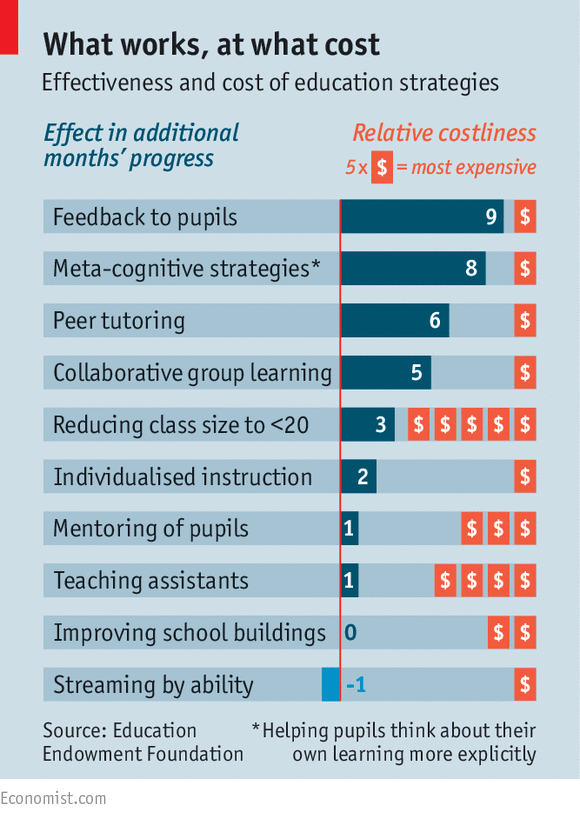
http://www.economist.com/news/briefing/21700385-great-teaching-has-long-been-seen-innate-skill-reformers-are-showing-best  From The Economist. In a study updated last year that was done at the U of Melbourne showing that what matters most in student learning is teacher expertise.   This article is actually a review and other heavy hitters like Harvard, Stanford, and the American Association of Colleges for Teacher Education (AACTE) are quoted.


http://www.futurity.org/hiv-simulation-1186252-2/  From the futurity blog, a report of a computerized model of HIV that was built at the U of Chicago. The publication will appear in Nature Communications and is an NIH-funded study.

HIV simulation

http://www.smithsonianmag.com/smart-news/researchers-look-what-happens-brain-when-music-causes-chills-180959481/  From the Smithsonian, what happens in the brain when music gives you chills? This is a report from The Guardian about research reported in Social Cognitive and Affective Neuroscience.(I didn't know this journal existed either.) Frissons, or goosebumps, are like a skin orgasm.
Turn table

https://www.theguardian.com/books/booksblog/2016/jun/02/the-history-of-nonfiction-biography-of-our-culture-100-best-nonfiction-books  From the editors of The Guardian 100 best non-fiction books.


https://www.sciencedaily.com/releases/2016/06/160620115949.htm  This is an article from Science Daily about research done at Arizona State U to be published in Nature Chemistry showing that certain DNA sequences can conduct an electrical charge, in other words carry electricity.


http://www.bbc.com/news/science-environment-35502310  This is a report of research published in Elife recounted by a science reporter for the BBC about light-sensing cyanobacteria.


cyanobacteria

http://www.nytimes.com/2016/06/28/science/contagious-cancer-clams.html?_r=0 Carl Zimmer's NYT article about contagious cancer found in clams. The work was done at Columbia University and published in Science.


http://www.nytimes.com/2016/06/18/upshot/long-term-mistrust-from-tuskegee-experiment-a-study-seems-to-overstate-the-case.html This is a report in the NYT by Aaron Cornell who blogs for the Incidental Economist, about a study of behaviors of African-American's in terms of their trust of the medical establishment. Some say the distrust plummeted after reports of the Tuskegee  study. Others say one study cannot determine the behavior of a whole race of people. Susan Reverby, one of my heroes (at Wellesley), is quoted.


http://gizmodo.com/hundreds-of-genes-spring-back-to-life-in-the-days-after-1782487652  From Gizmodo, a report of research done at the U of Washington which showed that some genes become active after death. and their activity increased up to 4 days after death. This work was published in Science magazine.


 ‘Undead’ genes come alive days after life ends

http://www.nytimes.com/2016/06/24/science/mitochondrial-dna-mothers.html?_r=0 Article in NYT about international research studying DNA in sperm of C. Elegans. Sperm DNA self-destructs upon fusion with egg. This could be useful as a cure for certain diseases. One of the authors was at U of Colorado Boulder.

Sunday, June 12, 2016

Science Advances, Despite or In Spite

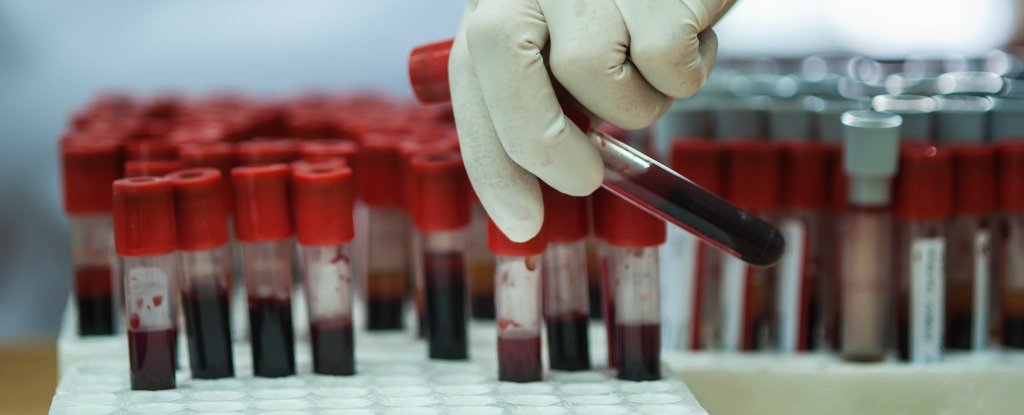
http://www.sciencealert.com/researchers-have-developed-a-new-blood-test-that-might-aid-depression-treatments  New blood test for depression.  From ScienceAlert, report f work done at Kings College, examining 2 biomarkers that predict response to antidepressants. Published in The International J or Neuropharmacology.


https://www.youtube.com/watch?v=_0dXodS8Qq0 From the SciWomen16 Summit. Women Advising Other Women at the California Academy of Sciences.

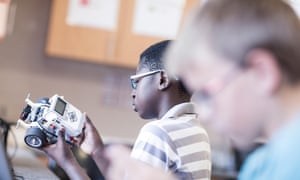
http://www.theguardian.com/teacher-network/2016/jan/12/science-resilience-how-to-teach-students-persevere  From The Guardian Education, how to teach students to persevere.  Teaching resilience. This article is by a neurologist and trainer of educators. This is a commentary with some suggestions based on her research.


Schoolboy playing with exploring a mechanical toy

http://blog.theliteracysite.com/WordCrimes/  Weird Al has a great video on grammar "Word Crimes". I am still laughing. (Weird Al has a big Dictionary.)


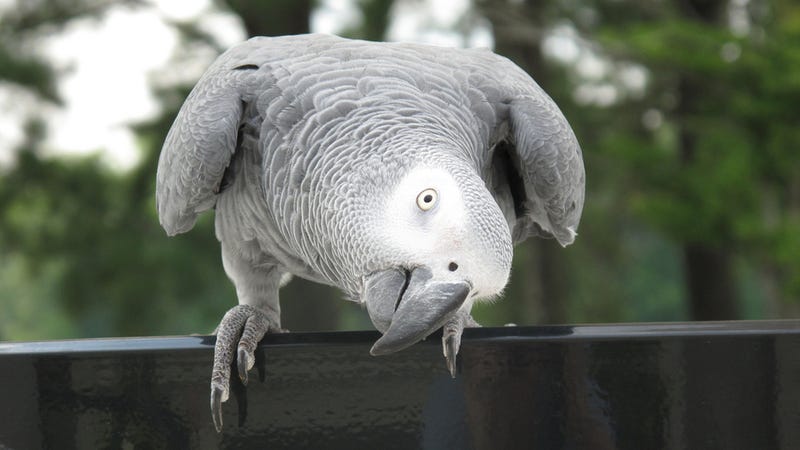
http://gizmodo.com/we-finally-know-why-birds-are-so-freakishly-smart-1781889157
From Gizmodo, Why Are Birds So Smart? From PNAS, an estimation of the numbers of neurons in a bird's brain.


http://news.nationalgeographic.com/2016/06/first-mammal-extinct-climate-change-bramble-cay-melomys/ From the National Geographic blog, a report of a mammal species native to the Great Barrier Reef Bramble Cay melomys that has gone extinct due to climate change.

http://unionnewsdaily.com/news/county/25103 This is an article from the Union County NJ Daily News about the concern that the colleges and universities are hiring an increasing number of adjunct faculty members to teach classes who are unable to provide the services that students need.

http://www.nature.com/news/first-rodent-found-with-a-human-like-menstrual-cycle-1.20072  This is a Nature publication of research done at Monash University which identified a mouse with a reproductive cycle similar to that of a human. The spiny mouse can possibly be used to research women's menstruation-based health issues.


http://ed.ted.com/lessons/a-brief-history-of-melancholy-courtney-stephens  From Ted-Ed, a brief history of melancholy.


https://www.sciencedaily.com/releases/2016/06/160616071935.htm  From Science Daily, a report of research done at Ohio State University showing the ill effects of women's long working hours on their health. The research will be published in the Journal of Occupational and Environmental Medicine.


https://climatecrocks.com/2016/05/23/defending-science-with-michael-mann/  Defending Prof. Michael Mann against climate change deniers. This is an article by Peter Sinclair about Prof. Mann who is at Penn State.
tarhockey3
https://www.cshl.edu/news-and-features/a-consortium-to-map-the-brain-is-launched.html  This may be a repeat from last winter. From Cold Spring Harbor labs a report of the launching of a consortium to map the brain so that the precise location, shape and connections of all neurons can be generated.
It's called BOINC, barcoding of individual neural connections.

http://www.the-scientist.com/?articles.view/articleNo/46326/title/Single-Bacterial-Species-Improves-Autism-Like-Behavior-in-Mice/ This is an article from The Scientist about mice being fed a high fat diet whose pups lack certain social behaviors (autism-like). Analyzing their gut microbiota showed they lacked Lactobacillus reuteri. This research has been published in Cell.


http://www.chemheritage.org/discover/media/distillations-magazine/02-1-04-science-protector-of-the-common-good.aspx  From Distillations, a publication of the American Chemical Society, a
 great cartoon from artist Frederick Opper depicting the concern of consumers for chemical safety.
Puck magazine cover, March 12, 1884. (CHF Collections)

http://www.cmpod.net/all-transcripts/a-fleas-worst-nightmare-on-the-plague-text/  The story of the Bubonic Plague from the Curious Minds Podcast.
The Bobonic Plague - Curious Minds Podcast

https://www.washingtonpost.com/news/energy-environment/wp/2016/06/13/the-atmosphere-has-crossed-a-grim-milestone-and-scientists-say-well-never-go-back-within-our-lifetimes/
 This is an article from Washington Post about the finding that the atmosphere will not go below 400ppm CO2 in our lifetimes. This is a finding to be published in Nature Climate Change and was conducted at the UK Hadley Center and the Scripps Institution.


http://www.the-scientist.com/?articles.view/articleNo/46143/title/Students-Study-Their-Own-Microbiomes/  This is an article from The Scientist about college classes using the students' own microbiomes as research subjects in their own classes. This was done as an HHMI curriculum initiative at the University of Michigan. Results were published in Genome Biology.

Sunday, June 5, 2016

June is busting out

http://www.nytimes.com/2016/06/05/health/liquid-cancer-test-offers-hope-for-alternative-to-painful-biopsies.html  An article in Sunday NYT about DNA diagnostics replacing tumor biopsies. The work was done at UC Davis and reported at the American Society for Clinical Oncology meeting. Liquid biopsies are currently used but not for diagnosis.


http://thescienceteacher.co.uk/objectives-in-science-lessons/ The problems with learning objectives in science lessons. Don't get me started. LOs are not a meaningful tool but they are required of teachers.
Lesson objectives in science

http://science.sciencemag.org/content/sci/352/6289/1052.full.pdf  From this week's science magazine, a commentary by David Malkin et al about rare cancer predisposition syndromes which can identify genes that are critical to carcinogenesis. The Li-Fraumeni syndrome helped to identify a genetic defect that predisposed people to cancer in 1969. At that time cancer was not thought of as a genetic disease.
INSIGHTS

http://www.scientificamerican.com/article/is-intelligence-hereditary/ The Scientific American Mind blog on whether intelligence is hereditary. Genes explain 5% of the difference between people. A comment by Robert Plomin, a deputy director of the MRC Social, Genetic and Developmental Psychiatry Center at King’s College London.


http://www.smithsonianmag.com/innovation/kill-all-mosquitos-180959069/ This is an article from the Smithsonian about whether the gene editing technique recently developed should be used to eliminate carriers of malaria or Zika virus. It also refers to the interesting history of mosquitoes and disease.


JUN2016_I01_Mosquitos.jpg

http://science.sciencemag.org/content/sci/352/6289/1052.full.pdf
This is an article from this week's Science magazine about the identification in 1969 of a genetic syndrome later called the Li-Fraumeni Syndrome predisposing children to soft tissue cancers. This was before cancer was generally thought of as a genetic disease.


http://www.nature.com/polopoly_fs/1.19996!/menu/main/topColumns/topLeftColumn/pdf/534024a.pdf Here is a pdf from Nature describing research done at MIT to figure out how microbes carried in a sneeze travel.

https://www.theguardian.com/science/2016/jun/06/human-pig-embryos-qa-chimeras-transplant-organs-scientists This is an article from the Guardian about the creation of a human-pig chimera. This research was done at US Davis using CRISPR gene editing and will be advantageous for organ transplantation to minimize rejection. It was an NIH-funded study and the ethics of such work is being intensely debated.  The bacon should be delicious.

The sow carrying human-pig embryos at the University of California, Davis, and featured on BBC Panorama.

http://www.nytimes.com/2016/06/07/upshot/the-us-is-failing-in-infant-mortality-starting-at-one-month-old.html?_r=0 This commentary is from the NYT and was developed from data from the CDC of infant and neonate mortality internationally and also from a publication of the American Economic Journal. The US does worse in terms of care for 1 month to 1 year olds than other countries. It is recommended that more money be provided to help mothers in poverty care for their newborns  (under 1 year).

http://www.nytimes.com/2016/06/09/science/four-elements-on-the-periodic-table-get-new-names.html?_r=0  An article from the New York Times about the renaming of 4 chemical elements.
nihonium, moscovium, tennessine and oganesson replace ununtrium, ununpentium, ununseptium and ununoctium.


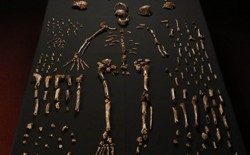
http://www.theatlantic.com/science/archive/2016/06/before-the-hobbits/485960/  From the Atlantic, a report of the finding of a human tooth and a jaw fragment from 700,000 years ago.These are from the hobbit lineage of dwarfed humans on the island of Flores.


http://www.sciencealert.com/scientists-have-developed-a-blood-test-that-detects-early-alzheimer-s-disease  From ScienceAlert, a report of a blood test to detect early Alzheimers Disease.  This is reported in the journal Alzheimers and Dementia. The test looks for autoantibodies.


http://www.sciencemag.org/news/2016/06/third-sex-lizards-could-outcompete-their-normal-female-cousins  From Science magazine, this article reports about "superfemales". These are sex-reversed  (as embryos) and their output of eggs is greater than normal females. Behaviorally, they are more like males than females and may possibly drive normal females to extinction.
 ‘Third sex’ lizards could outcompete their normal female cousins

http://www.the-scientist.com/?articles.view/articleNo/41702/title/A-Movable-Defense/ An article in The Scientist about transposable elements or jumping genes.


http://www.nature.com/articles/srep27523 Article in Nature about fish recognition of human faces. These are animals with no neocortex which learn to recognize a human face. Work was done at the Max-Planck Institute for Biological Cybernetics.


Figure 1

http://blogs.scientificamerican.com/artful-amoeba/natural-history-is-dying-and-we-are-all-the-losers/
An article in the latest Scientific American about the reduction in the number of course offerings in Natural History for a major in biology and the proportion of intro biology texts devoted to natural history since 1935. The commentator, lamenting the reduction, is a science writer.


http://www.newswise.com/articles/inbred-neanderthals-left-humans-a-genetic-burden In the blog Genes to Genomes there is a report of a publication in the journal Genetics about the genomes of Neanderthals. There is evidence that there are harmful mutations in the Neanderthal genome that left then 40% less reproductively fit than modern humans, (in other words, 40% less likely to reproduce and pass on their genes.)


Neanderthal museum

http://www.nytimes.com/2016/06/09/science/national-academies-sciences-gene-drive-technology.html Article in NYT about the National Academy of Sciences, Engineering and Medicine, recommending safely controlled field trials of the gene editing of species using the new technology called CRISPR despite possible risks to the environment. The photo shows gene-edited female mosquitoes.


http://hub.jhu.edu/2016/06/10/health-and-humanity-q-and-a-karen-kruse-thomas  This is a book called Health and Humanity, chronicling 50 years of the history of the Johns Hopkins School of Public Health.


Book cover for Health and Humanity

http://www.the-scientist.com/?articles.view/articleNo/46205/title/Building-Gene-Networks/  This article in the New Scientist reports research done at Rice University by synthetic biologists who built synthetic gene circuits which they then put into E. coli bacteria. This is a way to study naturally occurring gene oscillators (like those that have circadian oscillations) which are normally hard to study.


http://www.scientificamerican.com/article/obscure-disease-may-offer-backdoor-to-new-treatments-for-alzheimer-s-and-other-killers/  From Scientific American MIND blog, an article about an obscure disease called Supra Nuclear Palsy, the rare disease that killed Dudley Moore. An accumulation of tau protein characterizes this hard to diagnose and impossible to cure disease. A recent publication in Science Translational Medicine suggests that maybe tau protein is involved in Alzheimers and possibly SNP patients can be used to test therapies for Alzheimers, which affects far more people.


http://www.sciencealert.com/new-treatment-improves-pancreatic-cancer-survival-rate-for-the-first-time-in-decades  From ScienceAlert, a new treatment for pancreatic cancer. The clinical trial results, which increased the 5-year survival rate for pancreatic cancer from 15-17% to 29% was reported at the American Society for Clinical Oncology meeting. It was a combo study with gemcitabine and capecitabine.


http://blogs.berkeley.edu/2016/06/10/trump-clinton-on-the-environment-a-handy-guide/  From the UC Berkeley Blog, a chart comparing Trump and Hillary on the environment.


https://mrdrscienceteacher.wordpress.com/2014/11/02/teaching-the-hypothesis/  A Facebook post by Paul Strode about hypothesis teaching and the correct and incorrect ways of doing it.


http://www.sciencealert.com/this-crazy-infographic-shows-just-how-much-of-the-ocean-we-don-t-see  From ScieneAlert, an infographic about the ocean
Ocean depths infographic

http://www.vox.com/2016/3/17/11250962/proof-evolution-vestigial  A video by Vox shared by IFLS about the proof of evolution: vestigial structures on your own bodies.


Sunday, May 29, 2016

On the cusp of Memorial Day

http://www.penguinrandomhouse.com/books/288108/river-of-shadows-by-rebecca-solnit/9780142004104/ A book recommendation: River of Shadows  by Rebecca Solnit about Eadweard Muybridge and his pioneering method of photographing motion and the times in which he lived (died ~1900.)
The Annihilation of Space and Time: Rebecca Solnit on How Muybridge Froze the Flow of Existence, Shaped Visual Culture, and Changed Our Consciousness

http://www.nytimes.com/2016/05/31/science/salamanders-newts-fungus-extinction.html?_r=0
An article in Tuesday's science times about US scientists looking for a species of chytrid fungus that has devastated the frog population. The USGS has an Amphibian Research and Monitoring Initiative  that is catching newts up and down the East Coast checking for infections with the fungus.


http://well.blogs.nytimes.com/2016/05/30/computer-vision-syndrome-affects-millions/
This is from NYT on Personal Health by Jane Brody about computer vision syndrome, including burning in the eyes and double vision. This syndrome has also been detected in children and adolescents. The report was published in Medical Practice and Reviews.


http://www.nytimes.com/2016/05/31/health/emmanuelle-charpentiers-crispr-dna-gene-editing.html
Another article from Tuesday's Science Times about Emmanuelle Charpentier, who was one of the three scientists "credited with starting the gene editing revolution". This is an interview with the newly appointed director of the Max Planck Institute for Infection Biology who according to the article was barely scraping by for 25 years trying to get support for her research.


http://standuptoverizon.com/big-gains-striking-verizon-workers-new-agreement/ It looks like the verizon strike has been settled with a contract for wireless retail workers and a 12% raise over 4 years.
A ''Now Hiring'' sign is posted on a Verizon store in Manhattan in New York City, U.S., May 10, 2016.  REUTERS/Brendan McDermid

http://www.amnh.org/exhibitions/dinosaurs-among-us/ I recommend the exhibit at the American Museum of Natural History "Dinosaurs Among Us". It is a beautiful thing. Here is a video loop from the AMNH website.
https://youtu.be/XAzGC89n0S4

http://www.philly.com/philly/news/politics/20160601_NJ_legislature_says_diamondback_turtle_shouldn_t_be_harvested.html
This is an article in today's Philadelphia Inquirer  about a bill that passed the NJ legislature that will make illegal the harvesting of diamondback terrapins. This brackish water turtle is captured and sold to Asian markets and this legislation should protect them.
http://media.philly.com/images/1200*800/050116_jterp01z_1200.jpg

https://www.sciencenews.org/article/scientists-dig-proteins-past
 From Science News, a report of research done at the Fred Hutchinson Center about how evolution affects proteins. This research specifically looks at the genetic ancestors of the influenza virus and speculates how the form of the protein enabled and constrained its evolution.
illustration of ancient proteins  
https://www.sciencenews.org/article/jumping-gene-turned-peppered-moths-color-soot  Also from Science News, a report on research on the Peppered Moth, which evolved its new color "in response" to the industrial revolution's deposition of smog and soot into the environment in order to blend in. It is reported in Nature that biologists at the U of Liverpool have identified the gene, a transposable element that is found in an intron, that caused the color change. 
peppered moths

https://www.sciencedaily.com/releases/2016/06/160601132134.htm  From Science News, an announcement of the finding of the genetic cause of MS. This research was done at the University of British Columbia and is published in Neuron. The database used contains 2,000 families from across Canada.


http://www.theguardian.com/commentisfree/2016/may/31/women-science-industry-structure-sexist-courses-careers   Why aren't there more women in research? Data obtained from the UK's Higher Education Statistics shows the numbers of females in various scientific disciplines. Women outnumber men in most disciplines, nonetheless female authorship of scientific papers has gone down since 2009.


Woman scientist

https://www.insidehighered.com/views/2016/06/02/universities-need-communicate-much-more-effectively-about-science-essay From Inside Higher Ed blog, a communication about the need for academic and administrative leadership (funny that they are not considered to be the same!) to communicate more effectively about science to the "outside world".


Home

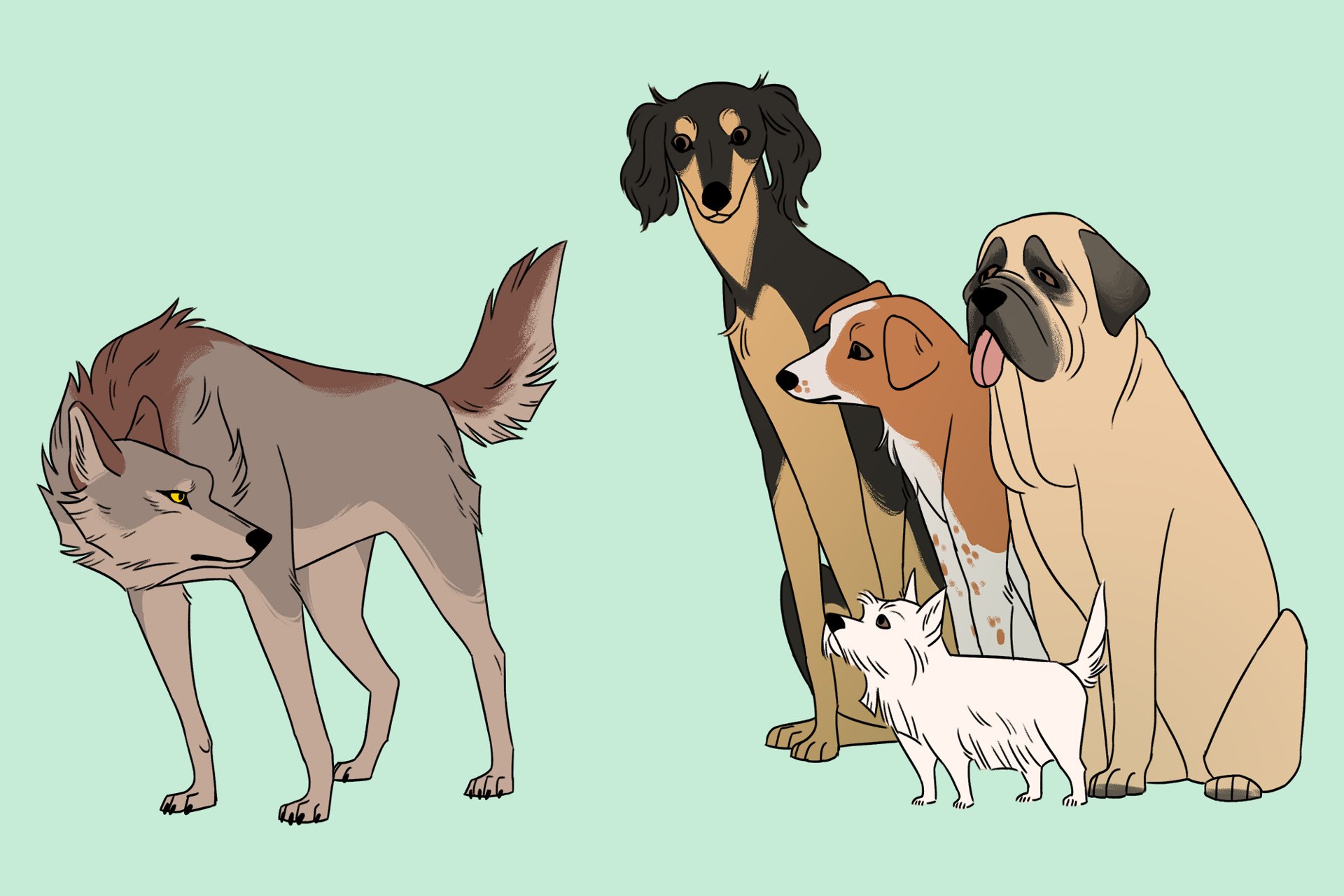
http://www.theatlantic.com/science/archive/2016/06/the-origin-of-dogs/484976/ An article in the Atlantic magazine recounting the origins and domestication of dogs; the latter event may have occurred more than once.


http://www.hhmi.org/biointeractive/cochlea  Here is an animation from Biointeractive (HHMI) about the ear.

The Cochlea

http://ed.ted.com/lessons/what-is-depression-helen-m-farrell A TED ED talk on depression. This is a short talk, less than 5 minutes.

http://now.howstuffworks.com/2015/11/09/ridiculous-history-vitamin-donuts From HowStuffWorks,
The government's War Food Administration allowed the Doughnut Corporation of America to market  an enriched product called Vitamin Doughnuts. (I grew up on doughnuts; don't knock 'em.)


http://www.rsc.org/news-events/175-stories/2016/may/women-in-science/  This is a post from the Royal Society of Chemistry memorializing the achievements of female scientists and their struggles for recognition.


image block

http://www.latimes.com/business/hiltzik/la-fi-hiltzik-university-business-20160602-snap-story.html
From the LATimes, a column by Michael Hiltzik about the current train of thought that universities are businesses and the imitation of the private sector by the public sector and how bad it is. DeVry University is presented as an example.
Linda Katehi